


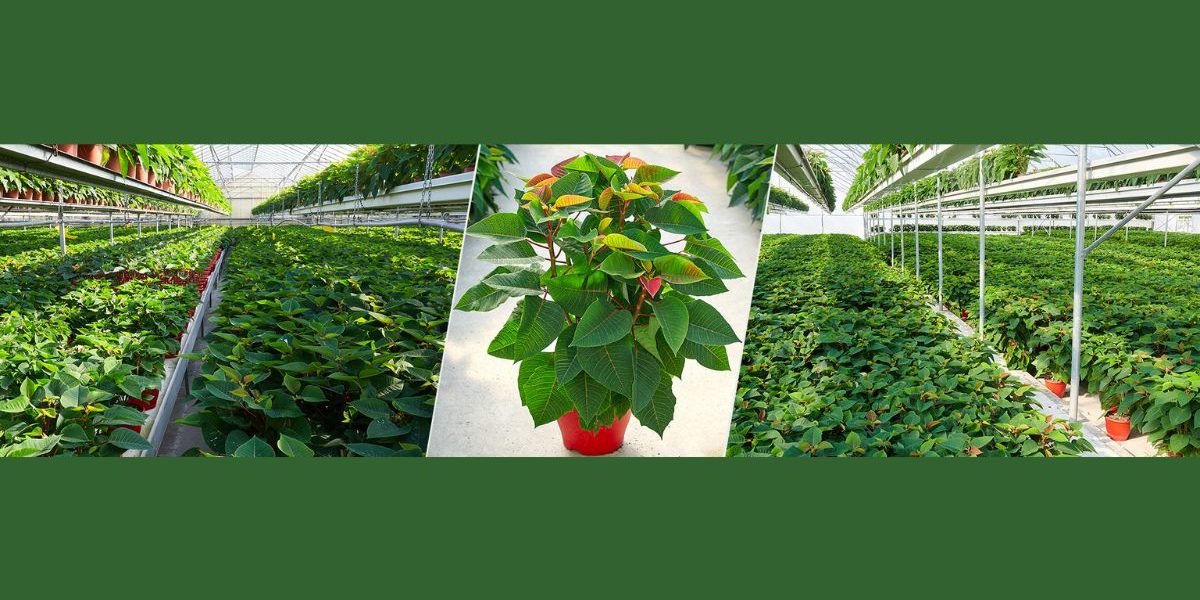
We have a new reference in the System Innovation Romania case study portfolio: Bloemen International, one of the largest importers and distributors of flowers and ornamental plants in the country. It is the story of a company that started with a single employee and a turnover of 50,000 RON, and today operates with over 20 people and a net turnover of 48.7 million RON—a growth of approximately 31% in the last year alone.
Beyond the numbers, it is a story that many entrepreneurs would do well to read, regardless of the industry they operate in. The reason is simple: the challenges Bloemen International went through are not specific to flowers or ornamental plants. They are the challenges of any business growing rapidly that eventually reaches a point where enthusiasm and Excel spreadsheets are no longer enough.
Rapid growth demands control, not just ambition
A growth rate of 20–30% per year sounds excellent on paper. In practice, it is the kind of growth that disrupts improvised processes. Every additional order, every added supplier, every new client means more data to track, more quick decisions to make, and more places where things can slip out of control. Examples include misestimated inventories, delayed orders, or margins that no one can see in real time anymore.
An entrepreneur leading a business with such growth rates inevitably arrives at a question: “Do I still know exactly what is happening in my company?” If the answer is “not really,” the signal is clear—the IT infrastructure has fallen behind the business. In such a context, a mature and stable ERP system, such as SAP Business One, is not an administrative luxury, but the condition that makes continued growth possible without the organization falling apart.
Traceability is not a technical detail, it is a business requirement
For companies working with perishable products—whether flowers, food, or other goods with a short shelf life—traceability is not a bureaucratic exercise; it is the difference between selling goods on time and throwing them away. Without visibility into batch age, turnover rate, and the performance of each product category, any procurement decision essentially becomes a gamble.
Added to all this is another layer of complexity, typical for companies combining import, assembly or processing, and distribution: every link in this chain generates its own data, deadlines, and risks. Without a system to bring them all together, information remains fragmented in people’s heads, separate files, and manual processes—exactly the starting point for the project in the case study we are launching.
Digitalization is no longer an option
Companies that manage to grow sustainably, year after year, have one thing in common: they understood in time that digitalizing operational and financial processes is not an isolated IT project, but a strategic decision. Increasingly strict legislative requirements, pressure from retail partners for reporting and availability, and the need for data-driven rather than intuition-driven decisions—all converge toward the same conclusion: without an integrated platform, a business quickly reaches the limit of how far it can grow using “the old ways.”
This is precisely the lesson offered by Bloemen International’s journey. You can find the specific way the company went from fragmented processes to a unified platform—along with the custom features and results—in detail in the full case study.
In conclusion
Finally, we leave you with a quote from Iulian Cazacu, General Manager at Bloemen International, who told us:
“The implementation of an ERP system should be viewed as a business transformation project, not just an IT project. Management involvement, clearly defined processes, and an implementation partner who understands the specifics of the industry are essential. The benefits appear when the organization adopts standardization and uses the information generated by the system to make better decisions.”
Download the CASE STUDY.